The Good Developer
February 2026
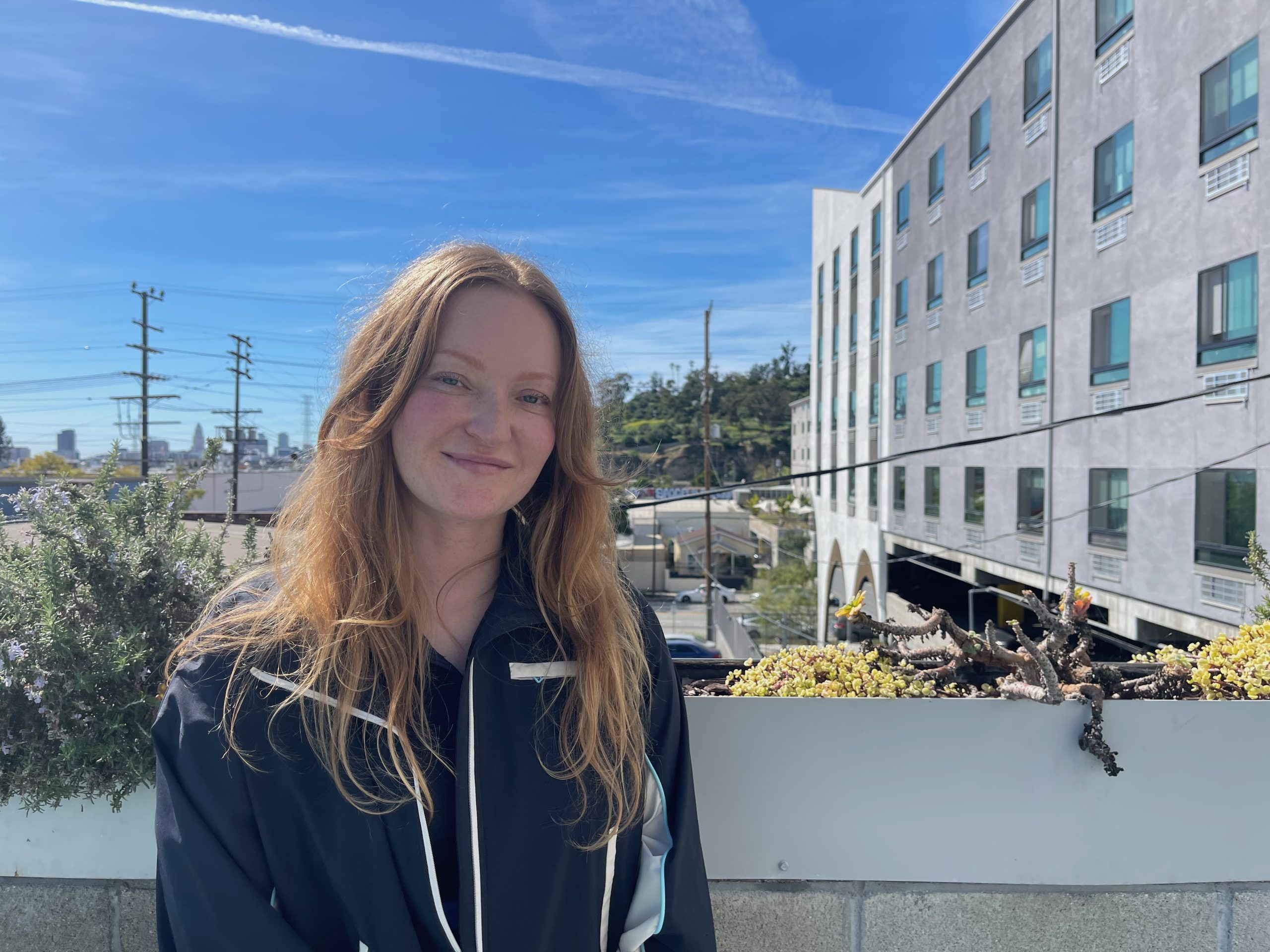
Bridget Wexman, 4Site
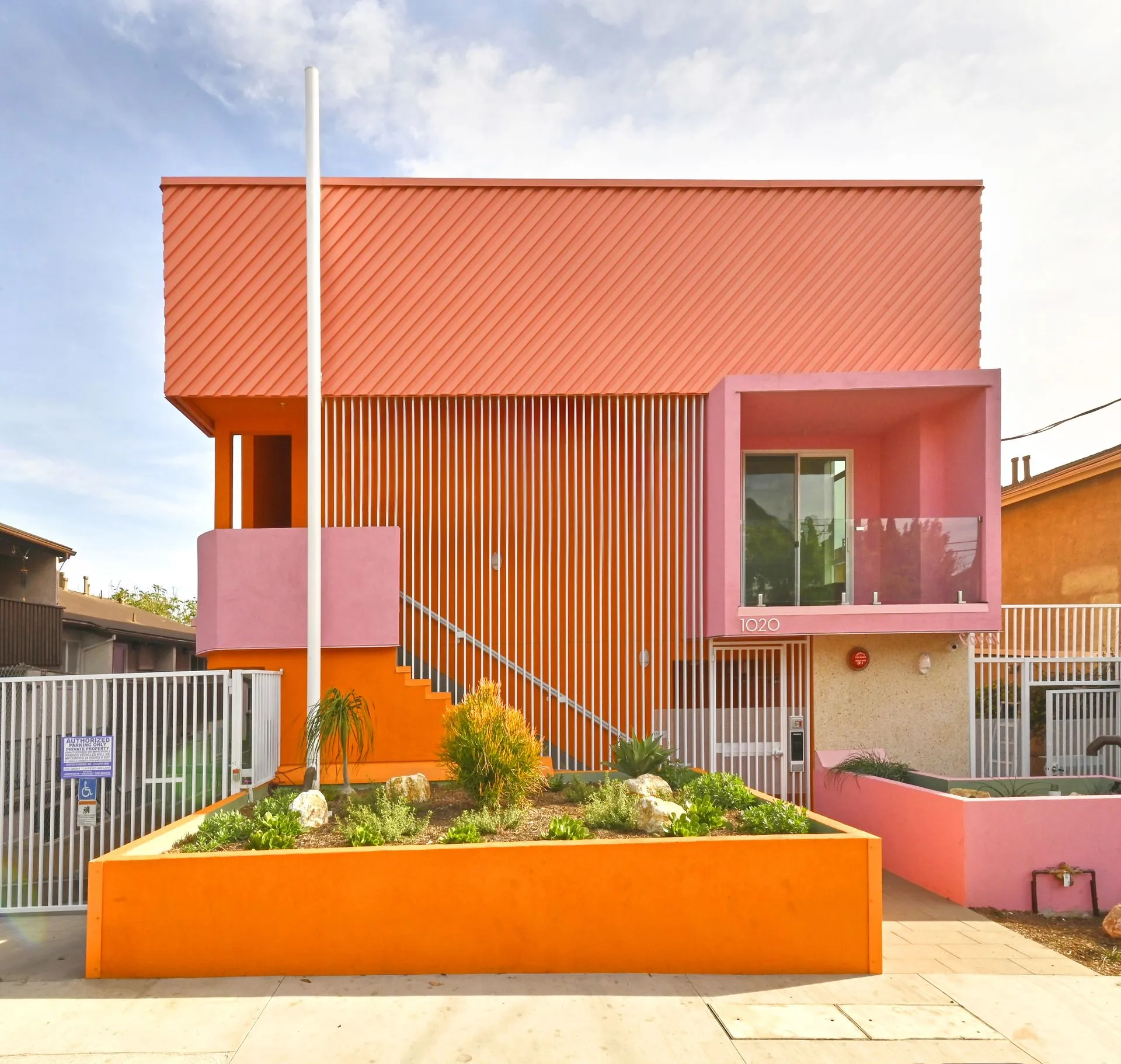
Colorful Curb Appeal!
By Frances Anderton for FORT: LA
Key Buildings: Coral, Arroyo, Barranca, J4Mica
Most Annoying City Code/Tax/Department: LA DWP, Fire Department
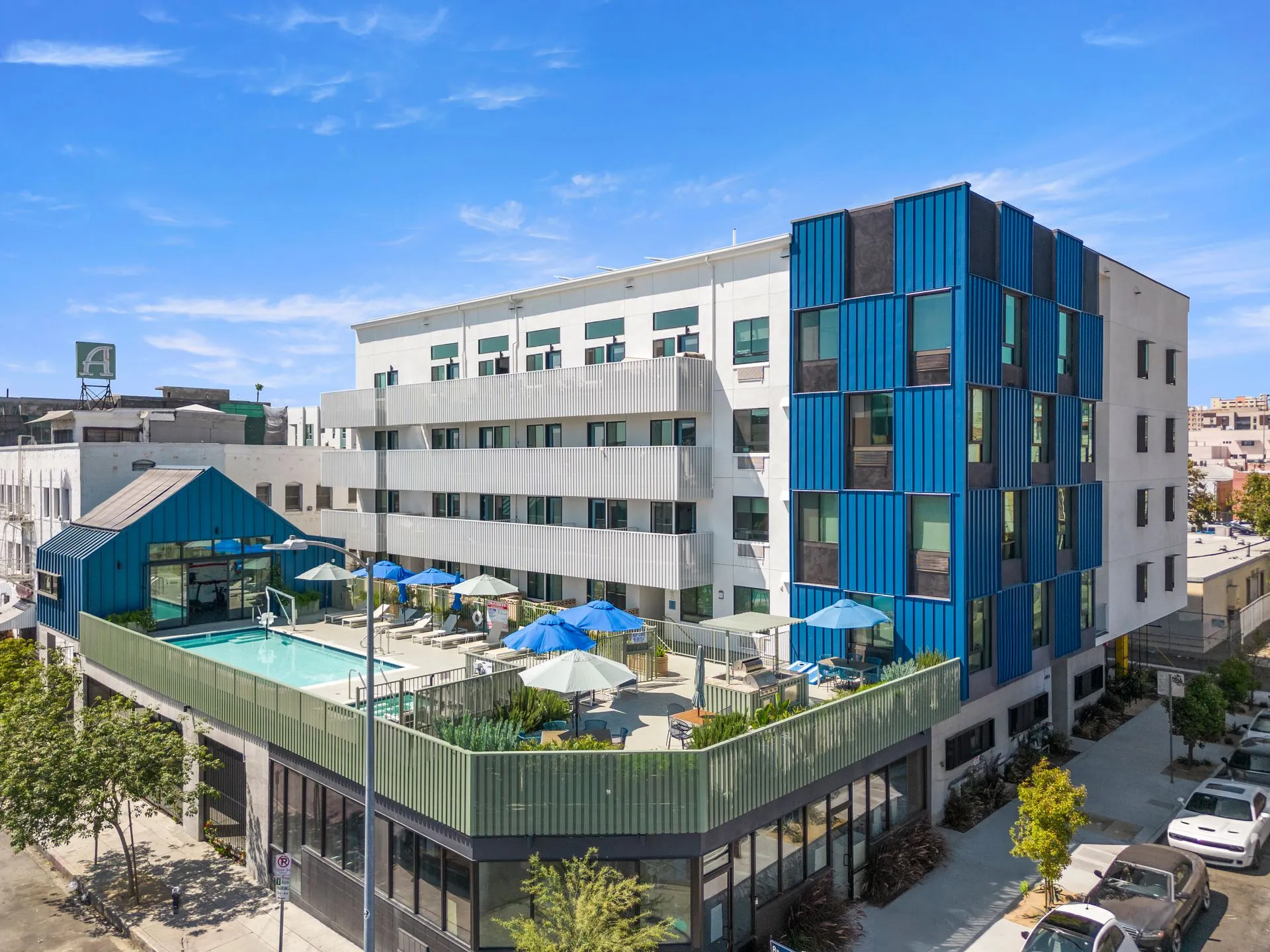
Best Amenity: Swimming pool at the 4Mica building. It has a great view of downtown and then south. And there’s a lot of families at that building, so it gets a lot of use.
Favorite Construction Site Sandwich: I make a green smoothie every morning. I know it’s very LA, very millennial. I have my Vitamix. I make it every morning. That’s probably what I’m seen drinking as I walk around the job site.
Fantasy Building Name: All our buildings have fun names.
When Bridget Wexman was studying fiber art at Savannah College of Art and Design, becoming a developer was not on her radar. But she was attracted to business, and, while mapping out a life plan, in 2020 she started working at 4Site, a development company founded in 2005 by her father Todd that builds mostly apartment buildings in the northeast of Los Angeles.
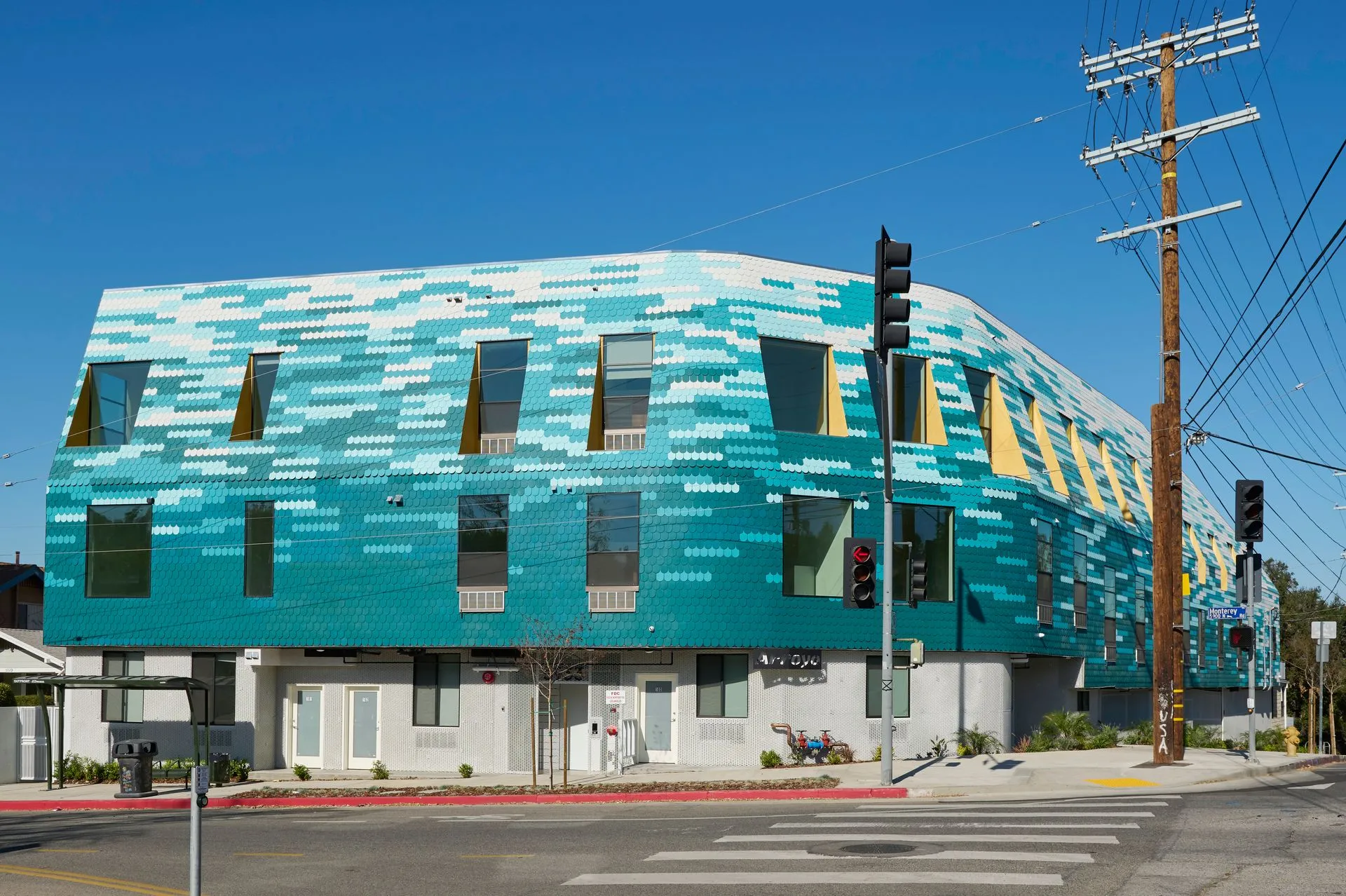
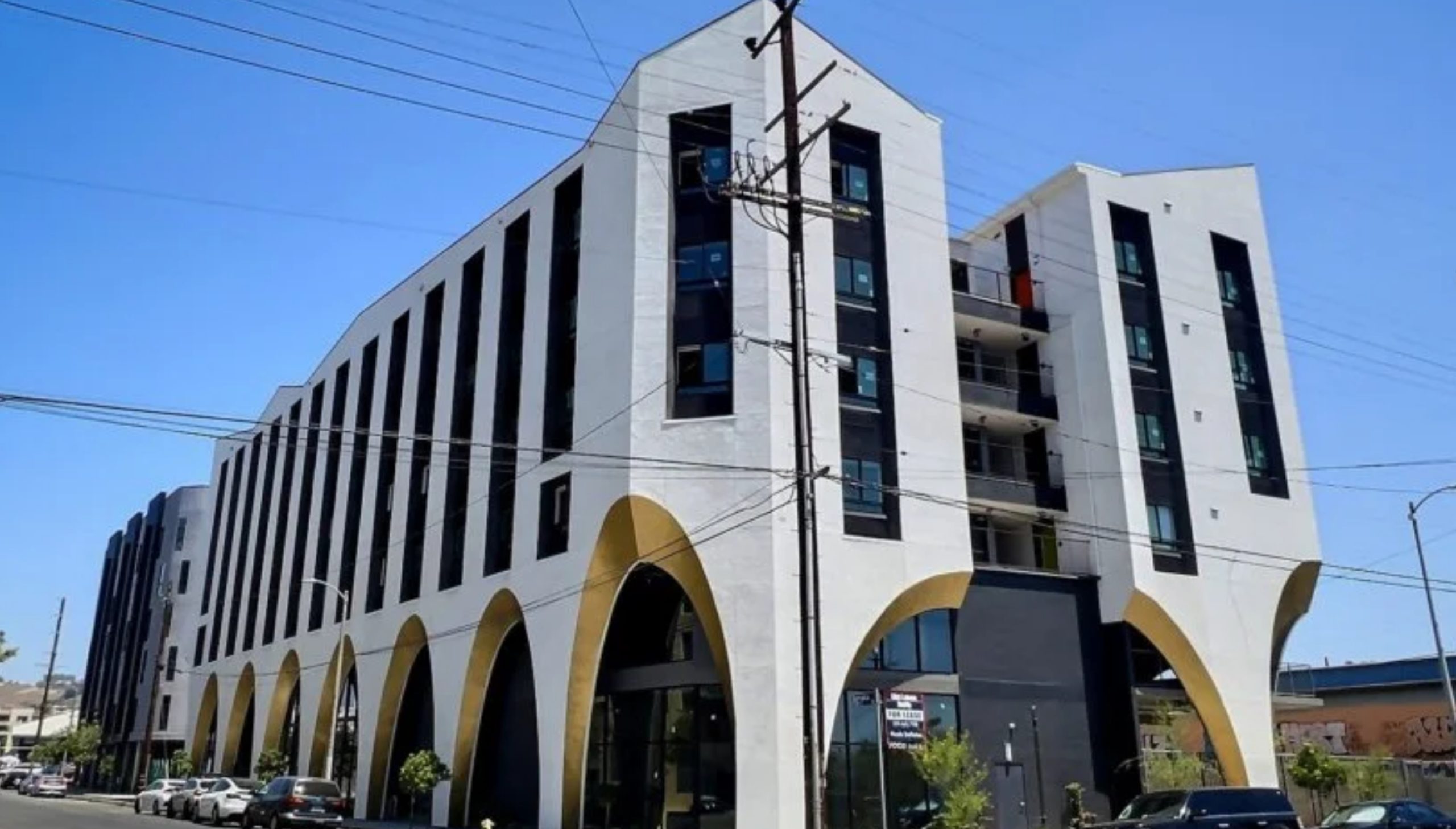
When Todd moved into semi-retirement in 2023, Bridget took over running the company, with a little help from her younger brother, who creates graphics and signage for some buildings. She is continuing the company’s commitment to workforce multifamily buildings with oodles of curb appeal, including the pink and orange Coral (2026), a new coliving building for some 28 people in Echo Park, and Arroyo (2021), in Hermon by Arroyo Seco Park, with a striking green-blue, shingled carapace, both designed by Warren Techentin Architecture; and Barranca in Lincoln Heights (2022), 200 studios, 1- and 2- bed apartments over ground floor retail and a food hall with springing, gold-tiled arches, one of several buildings designed for 4Site by Tighe Architecture.
At only 32 years-old, Wexman finds she is “always the youngest person in the room,” and typically the only woman. But she has embraced the chance to absorb lessons from all players in the construction industry, finding along the way that she had the necessary “organization” and “impatience” to get jobs done and taking pleasure in seemingly mundane tasks, like passing building inspections!
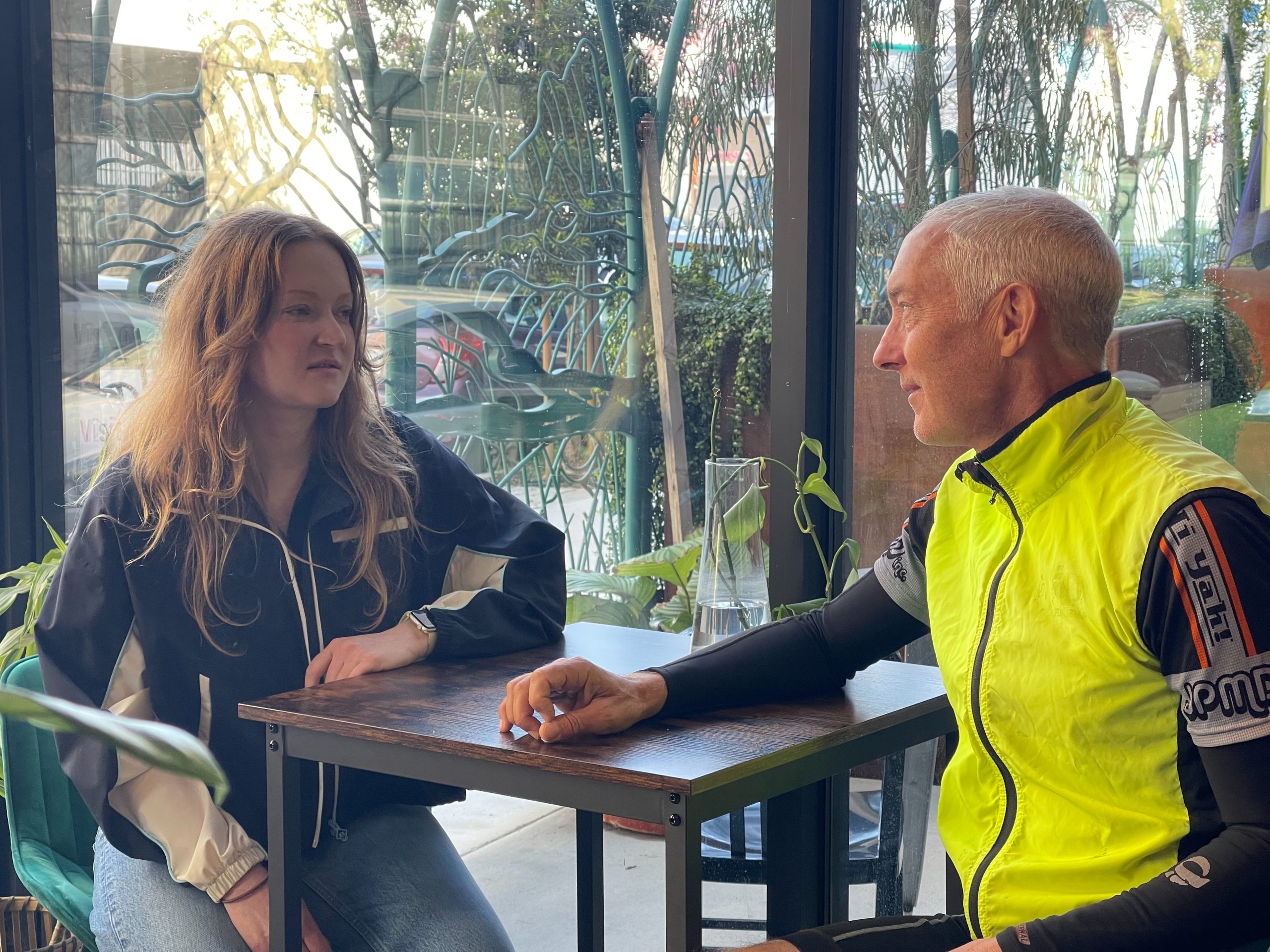
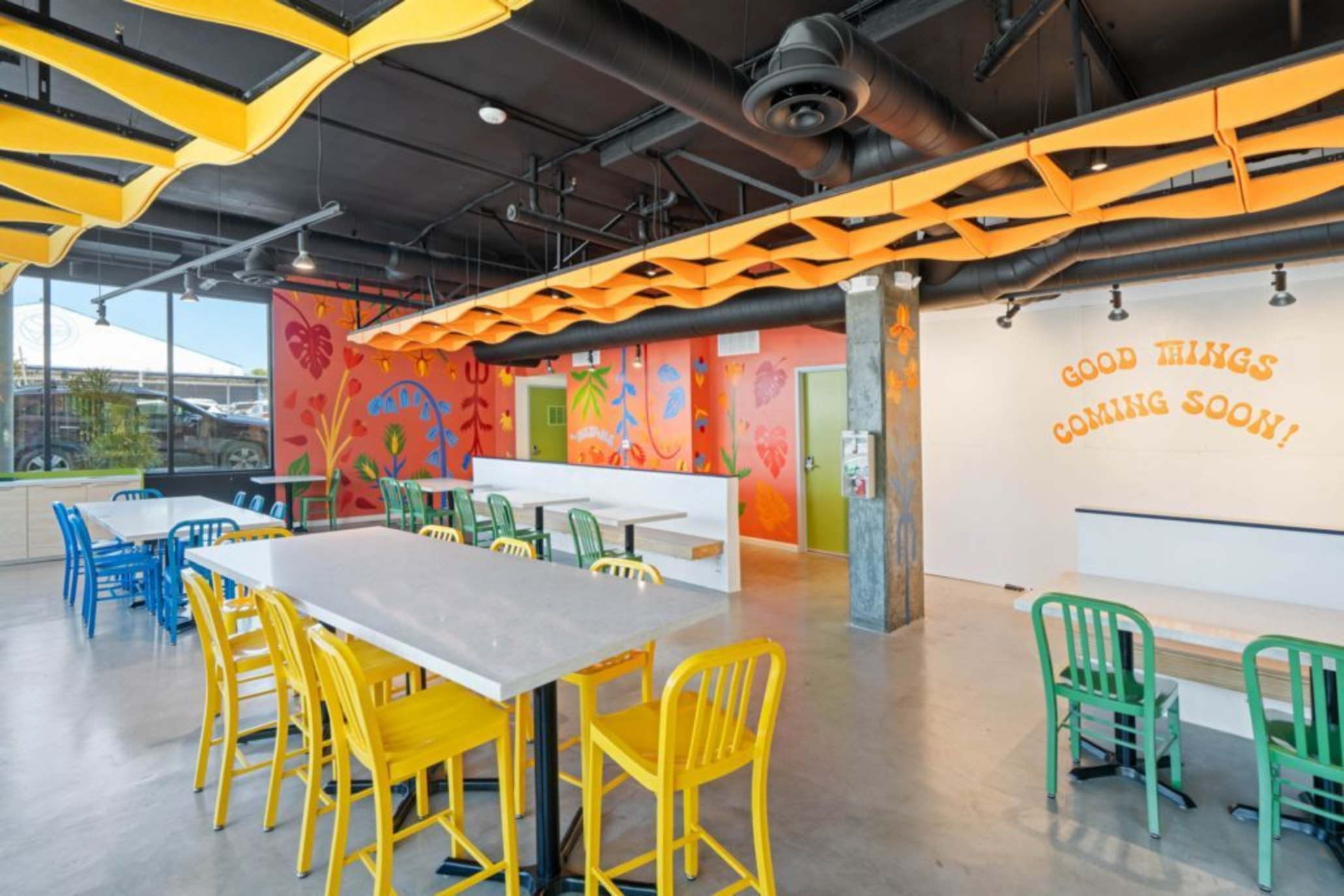
In a conversation in the cafe at Barranca, Bridget Wexman explained the lessons learned about the tough construction business, and how 4Site manages costs while emphasizing bold design.
“We always want to make good-looking buildings that are interesting and different and colorful,” she says, adding, “especially if you’re going into a new area, I think there’s an extra responsibility to make sure you’re doing right by the neighborhood. It’s a form of respect.”
The Good Words
Frances Anderton
You are an outlier in the industry, both a woman and very young. How was it when you first started?
Bridget Wexner
It was scary at first, because I didn’t have any construction background, and going to the job sites and being with only men on a job site was definitely a shock. But I got used to it, and it ended up being a good thing for me.
FA
What was good about it?
BW
I’m very, very organized. And at the end of the day, in development you need to be really organized, and you need to be impatient, and I’m very impatient. And you need to know that not everything you do is going to be super exciting. Some of these more interesting design details (like the gold columns at Barranca) are on the outside of the building. But a lot of things are very mundane, like getting the framing done. But you have to be motivated to get these things done and checked off of the list. And, you know, passing inspections, I love. Passing an inspection is like a victory! It sounds boring, but it’s fascinating, it’s an exciting thing. And it means, now I can move on to the next task.
Also, you get to meet so many people, and you learn so much. That’s been one of my favorite parts of it. It can also be one of the most difficult parts, dealing with all these subcontractors and the city people. But for the most part, it’s great and it’s good to be constantly learning. So there’s never a dull moment.
FA
What is your company’s main goal as a developer?
BW
We want to build apartment buildings. We want to add housing to LA. There’s a housing crisis. We try to build as affordably as possible. A lot of developers spend so much they end up having to demand really high rents. By building affordably, you can have more flexibility in the rents, and benefit more average people that aren’t making really high salaries.
FA
So how do you build affordably?
BW
We’re vertically integrated, and that has allowed us to keep costs down. I’m the general contractor for the projects so we don’t charge through a GC fee to the projects, like most developers and general contractors do. We have a management company, so we manage everything ourselves. We know the buildings better than anyone else. We can manage them the most efficiently. With hard costs, we try to be as smart and efficient as possible. And we want to create a nice product that we’re proud of, that will last a long time, and not fall apart, and add something to the neighborhood, and that the tenants are going to be happy there. Happy tenants don’t leave.
FA
Do you hold on to your properties?
BW
Yes. We have different investors that are owners and land partners that are in joint venture deals with us, but we hold on to them and we operate them.
FA
These days there’s capital A affordable, typically built by nonprofit housing developers using tax credits. What does affordable mean to you?
BW
We’ve never built a truly Affordable building. We have five TOC units here, and there’s six at the 4Mica building. But for the most part, we’re all market rate, workforce housing. But, although they’re not technically affordable units, they fall under the “affordable” designation by HUD on the rent roll because our studio units rent for around $1,500 which by LA standards is pretty low. We’d rather have slightly lower rents than market and keep the building full and the tenants happy. Turnover is expensive, and when a unit is vacant, it’s really expensive. So just creating a product where there’s more flexibility in the rent and offering it at a lower level is a win-win for everyone.
FA
Labor is a big factor in development costs. 4Site’s projects are Type 5 construction, under 75 feet, so you do not need to pay prevailing wage. But your company has been cited by the California Labor Commissioner’s Office (LCO) for underpayment of wages between 2021 and 2023.
BW
There are some overtime wages owed, nowhere near the amount stated by the Labor Commission, and it’s in the process of being resolved. It’s a long-drawn-out process. But on several past projects, we had the same crew for a long time, so we’ve generally felt like we had good relationships.
Now we’ve had to downsize our crew and sub out more of our work to our subcontractors. These labor requirements are so hard to conform to, especially for a small business, we just had to downsize.
FA
So now are you handling things like acquisition of sites, and are you the one that draws up the pro forma? Did you have to learn real estate on the job?
BW
Yes, it was a sink or swim situation. My dad does get involved with that. He has a background in real estate finance, and he definitely weighs in on those things. But yes, in terms of looking for new projects, it’s mostly me. Unfortunately, it’s a bad time to be looking for new projects. It’s very hard to get new, especially multifamily, deals to pencil, but we do have a Small Lot six-house project that’s in the works.
FA
Why is it hard these days to get things to pencil?
BW
Costs have gone up so much. Interest rates are up. Operating expenses are up. The city keeps coming up with new ordinances and new code, and it’s just the layers keep adding and adding. I think a lot of the new code comes from a good place – as in, we had this problem, here’s how we fix it – but a lot of times, the code contradicts itself, especially when it comes to Small Lot projects. Not many people are building them anymore.
FA
Is there a particular code or fee or department that is especially annoying?
BW
Well, everyone says LA DWP, and it’s true, it is always challenging. Then LA DBS (Department of Building and Safety) and LA DWP both have to sign off, and some of them have contradicting requirements.
I think the fire department is very challenging. Part of LAFD plan check is by engineers in the office who have their list of codes that they need to enforce. But then there are inspectors who actually go to the site. Those people were firefighters at one point or another and so they have boots on the ground experience, and they admit sometimes that this thing that plan check makes you do, it’s not necessary. And it might have been something that dictated the design of the building, or something critical that costs a bunch of money. So I think that’s the hardest for me, when the city has these requirements, but they don’t really matter when it comes to a real life situation. It’s really frustrating.
FA
Your company focuses on one geographic area. Why, and what are the boundaries?
BW
We try to stay generally within five or six miles of downtown. I grew up in Silver Lake, so we’re very familiar with Northeast Los Angeles – Silver Lake, Eagle Rock, Highland Park. We feel like we understand what people are looking for here and where the next up and coming area will be. So we feel comfortable going outside of Silver Lake and Los Feliz – you know, super-established and built up areas – and continuing a little bit east, like here in Lincoln Heights.
And then also, we’re the general contractors. So I have to drive to the projects probably at least once every day. Sometimes I’m going two times. So if we were building on the Westside, it just wouldn’t happen. And I think the buildings would end up taking longer to build, because things would just slip through the cracks, and you couldn’t have quite as tight of a hold on it.
FA
Do you think staying in the same area means the politics of development are perhaps made easier? Do you know the local stakeholders?
BW
Definitely. We know the Community Plan area well, and it takes a long time to build up that familiarity, and we know the city staff which are split up by areas. So it’s helpful.
FA
Have you had any projects that met roadblocks in terms of community pushback and how do you deal with it?
BW
We build everything just by right. We don’t ask for any variances. We’d rather just build within the standard plan. When it comes to Small Lot projects you do have to go through a hearing process, and there has been pushback from some people in the community.
FA
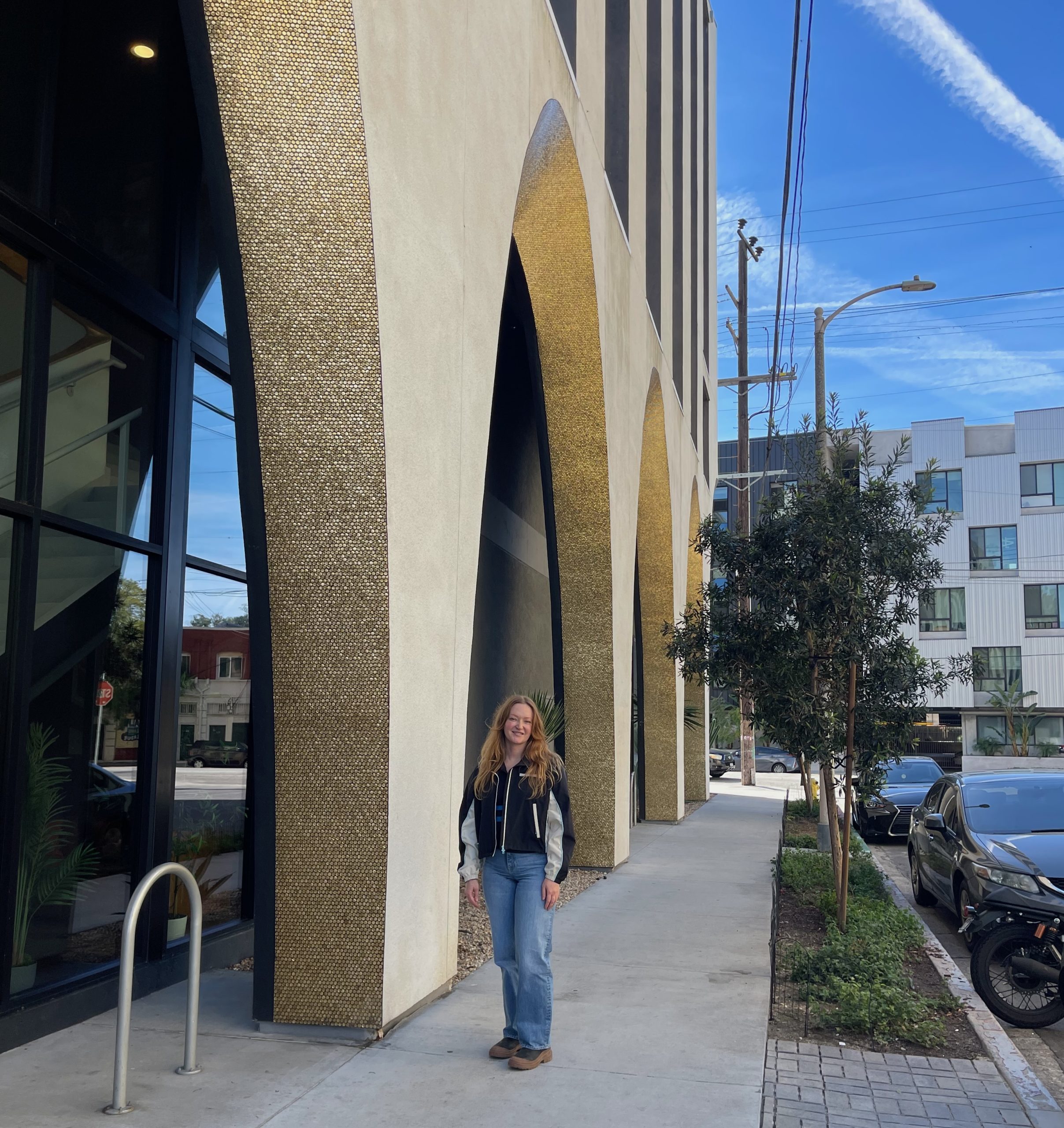
So let’s talk about the projects themselves, starting with where we’re at right now, Barranca. It’s mixed use, with residential and a food hall. It was designed by Patrick Tighe and obviously has some glam, like the gold-tiled arches. Tell us about your goals with this building?
BW
Well, it was one of the few new developments in this neighborhood in Lincoln Heights. We always want to make sure we’re building good-looking buildings that are interesting and different and colorful, and especially if you’re going into a new area where there isn’t much other development, I think there’s an extra responsibility to make sure you’re doing right by the neighborhood. Obviously, we’re adding units and housing but we want to make sure it is aesthetically nice and attractive. It’s a form of respect.
FA
In terms of attractiveness, you’ve got a quite an eclectic portfolio. You really seem to let your architects do their thing.
BW
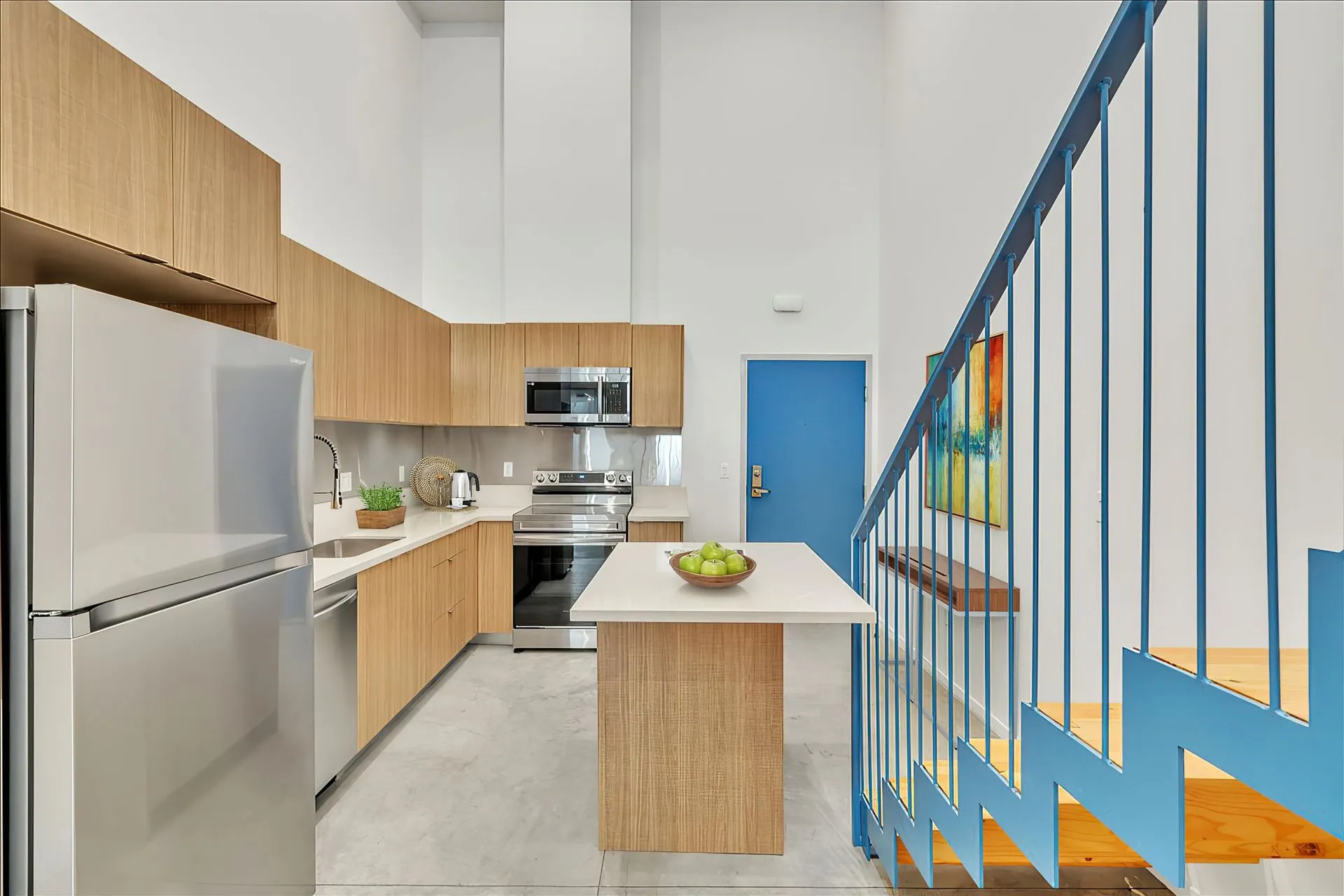
We hire them because of their design so we want them to shine. We come up with the general massing for the building, and we’re more specific about the inside of the units and how they lay out, but in terms of the outside of the building and the design and the finishes we definitely want the architects to go with their instincts.
FA
It is hard to pick a favorite child, but do you have a favorite project?
BW
Well, I’d say this building is a favorite. It’s in the neighborhood that I live in, so I’m partial to it. But it’s got the arches, which we worked so hard on, and then it’s got the food hall, which we thought would be a benefit for the residents, and for the neighborhood.
Also, Arroyo in Highland Park, in the Hermon neighborhood (designed by Warren Techentin.) We love all of our buildings, but we especially love that one. It’s been dubbed different names by the neighborhood – the mermaid, the wave — just based on the exterior blue shingles.
FA
All your buildings seem to have fun names. How do you come up with them?
BW
We always try to keep our building names to just one word, and sometimes we’ll send out an email to the architect and our property management company and we’ll ask them to send ideas, and we vote on it and pick a name.
FA
Your company name, 4Site, seems to have a double meaning.
BW
My dad came up with that name. It’s foresight, looking forward to the future. Also, four walls make a building. We try to have fun. Because, like everyone says, it’s so hard to build in LA, to be a developer. Where you have a chance to have a good time you gotta take it.
FA
Given the many challenges these days, what would you say makes development still worth doing?
BW
I just think the fact that you’re building something, and at the end you can step back and look at it, and feel proud of the design, and how well the units function, and know the people that are going to live in the building. Creating something tangible is a big plus for me.
Read about our January Good Developer Joe Sharaf, and the Introduction to the series.