The Good Developer
November 2026
Alfred Fraijo Jr., The Somos Group
Boyle Heights Champion!
By Frances Anderton, for FORT: LA
Key projects: Mi Centro and City Labs Boyle Heights, Canela Apartment Homes, XOLA (pending); Los Angeles County General Hospital (LACGH) Campus Master Plan (representing Primestor as land use lawyer); First Street Commercial Corridor Developments (pending)
Fantasy building Name: XOLA (Chola), the name for El Museo de Arte Chicano de Los Ángeles/Chicano Art Museum of Los Angeles, one of my passion projects I hope to build.
Best amenity in one of your buildings: A community market. We have an actual bodega at Mi Centro. It brings fresh produce and products to the community.
Most annoying city rule tax or department: As a land use lawyer, I would highlight the the plan review process. It is currently very balkanized, meaning that if you have a project as simple as opening a cafe or building you have to go through at least half a dozen different departments to review your plans. It is a particularly hard for folks that don’t have the resources to hire sophisticated advisors like us, and really inhibits entrepreneurship in our community. I would love to have a centralized way of having those plans reviewed.
Favorite construction site sandwich: Carne Asada Taco at King Taco at Soto and Cesar Chavez. I would add the Sopes as well.
LA developer hero: Mia Lehrer. Not a developer exactly, but she is both a landscape architect and Boyle Heights owner with her studio, Studio-MLA, there. Her impact on the public realm in Los Angeles and in our region is immeasurable. I have great admiration for her personal story, the way she thinks about public spaces, and particularly the way she thinks about young people participating in our public spaces as well.
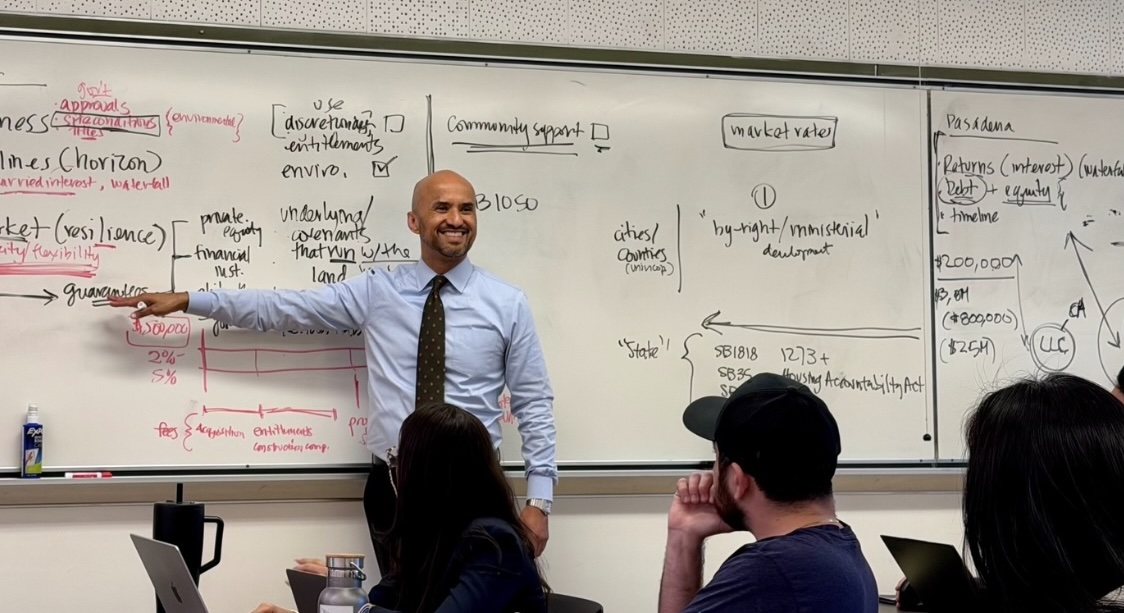
Behind every developer in Los Angeles is a land use lawyer, and one of the leaders in the field is Alfred Fraijo, Jr..
But Fraijo is also developing real estate himself, through his hybrid legal and advisory firm The Somos Group. A proud son of Boyle Heights, Fraijo and his husband Arturo Becerra-Fraijo have acquired multiple sites in the storied East LA neighborhood, and have longterm plans for developing these sites into housing and spaces for use by local businesses and nonprofits, in ways that he hopes embody, “a set of values that I think are responsible to the community.”
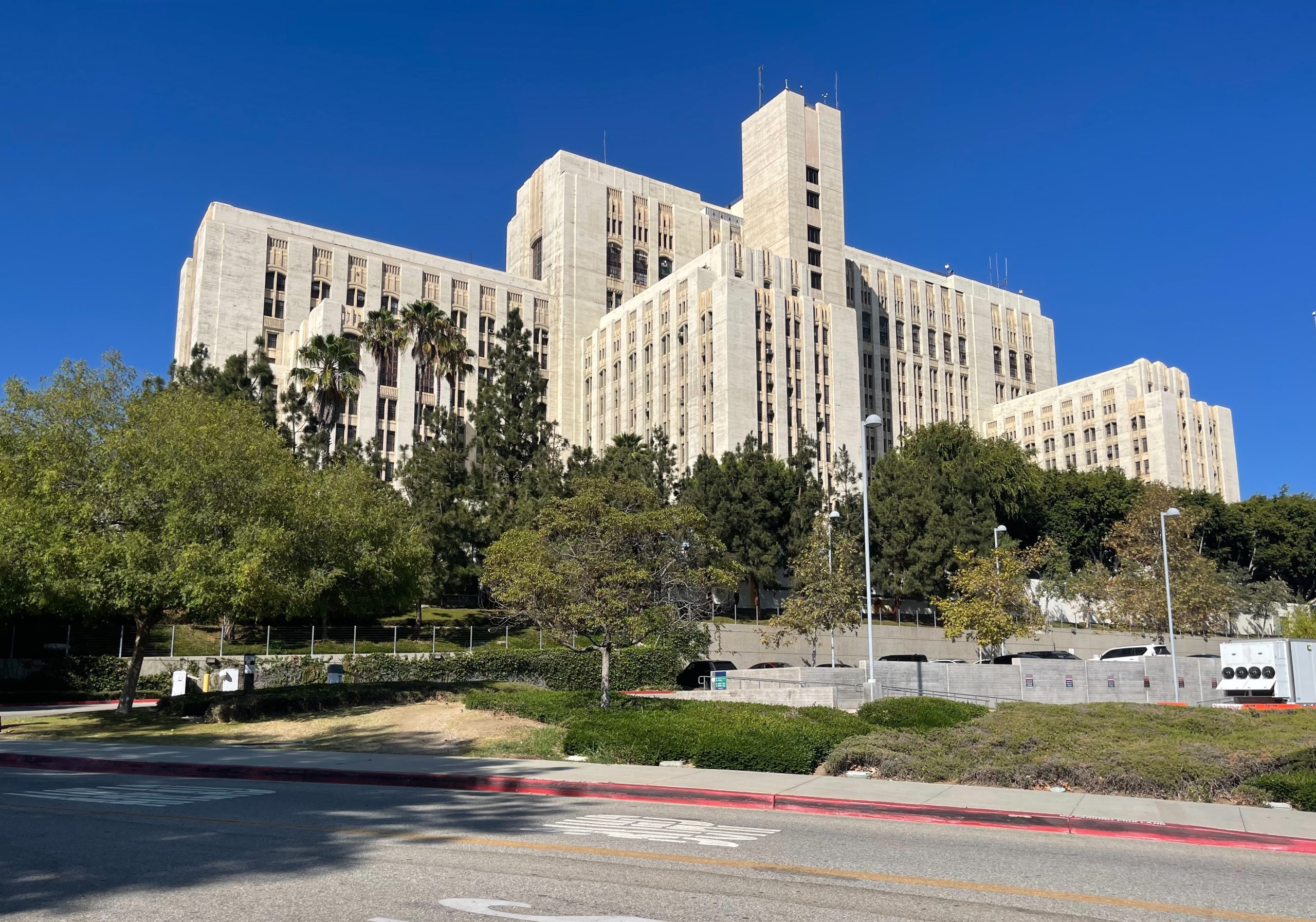
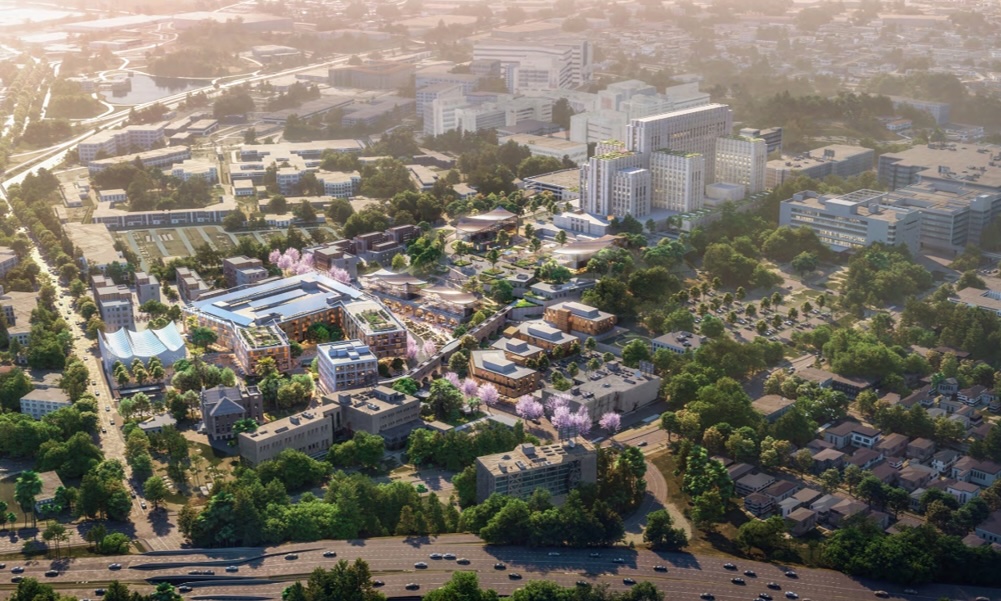
That ethos is represented in one of the most ambitious redevelopment projects in recent history: the transformation of the LA County General Hospital campus into into a “Healthy Village” comprising wellness resources, housing, commerce, and public open space, and community resources. As land use lawyer, Somos Group helped the development team, Centennial Partners (Primestor Venture Partners and Bayspring Real Estate Partners), advance the land use approvals and shape the strategy for environmental review under CEQA. With the Master Plan adopted and the environmental review complete, the work now shifts to figuring out how to carry out that vision in phases.
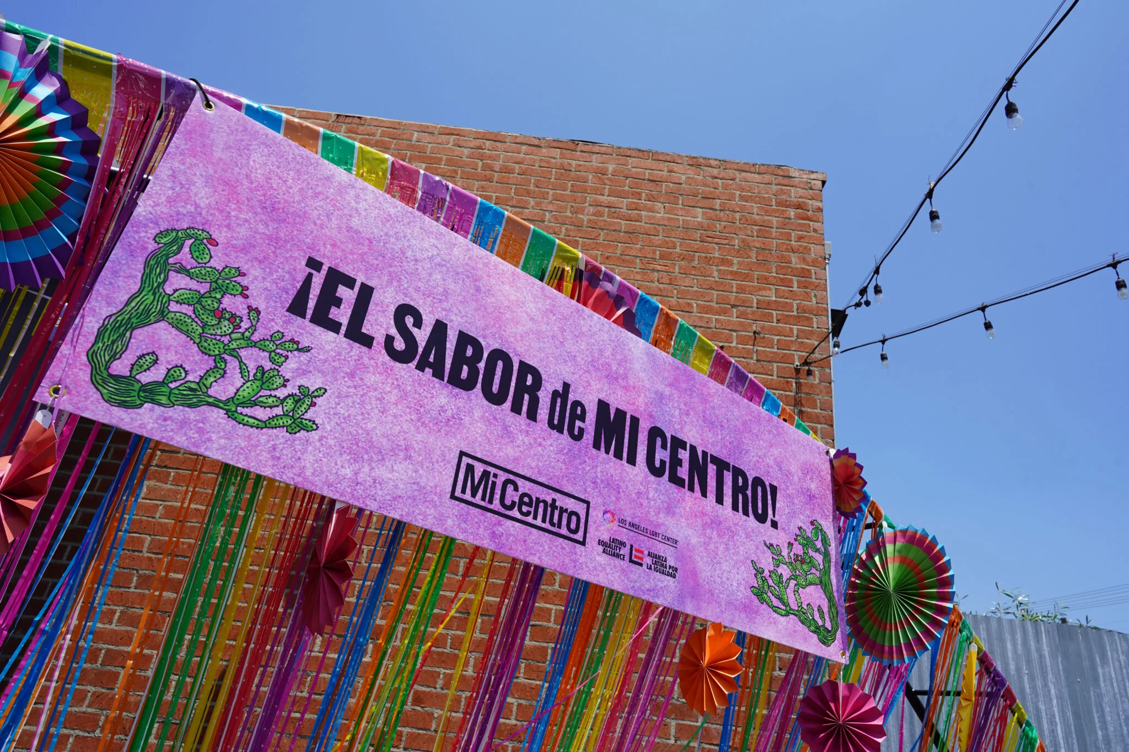
Fraijo and Becerra-Fraijo paved the way for their development work over a decade ago when they partnered up with Mi Centro, a social service and support center for LGBT youth (founded by the Los Angeles LGBT Center and the Latino Equality Alliance), and created City Labs Boyle Heights, a coworking space combined with resources for Eastside residents and members of the immigrant community. Fraijo explains that when he saw nonprofits being priced out of their office spaces, “it occurred to me that there was a great need to create below market office space that was available to nonprofits. So we partnered with Genesis LA, and it’s turned out to be this great resource for the neighborhood.”
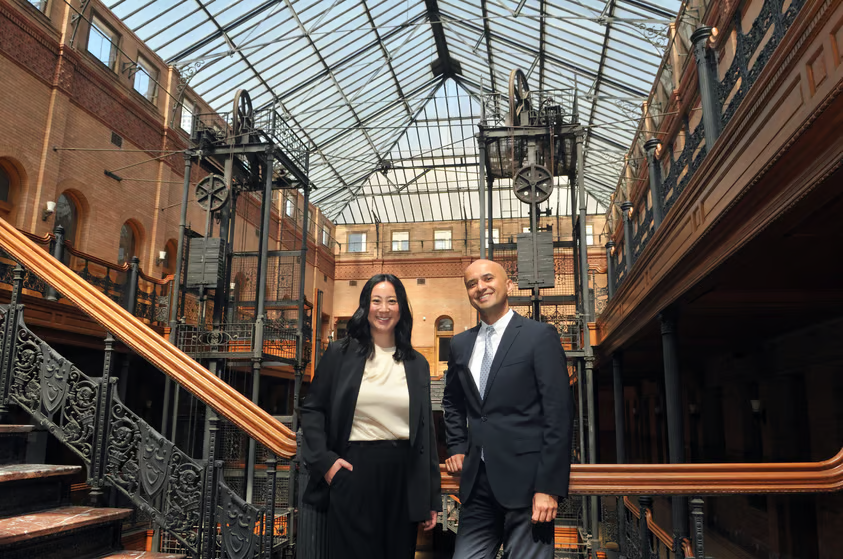
The Somos Group works out of offices at the Bradbury Building in Los Angeles and the Beaux-Arts Merchant Exchange Building in San Francisco, locations that attest to Fraijo’s interest in the conservation of historic resources, and great design.
He is working on Boyle Heights development projects with two standout architects: Tatiana Bilbao Estudio, headquartered in Mexico City, and Spanish-born, LA-based Monica Lamela of There There Architecture. They in turn have looped in UCLA students to help figure out a unit mix and spacial organization on Somos-owned sites, “that don’t maximize density, and are at scale.” An exhibition of the students’ concepts goes on show on December 4th, and Lamela explains that the studio has evolved into a year-long Design-Build initiative. “The idea is for the students’ proposals to enter the permitting process this summer, with construction hopefully taking place over the following years.”
This is an unhurried approach to redeveloping land. But the goal is to build in ways that do not displace local residents, while turning a reasonable profit. “If we need more responsible development,” says Fraijo, it’s incumbent on us to do it ourselves. I’m engaged in conversations about gentrification, and I’m saying I want to demonstrate best practices in that space, and so that’s what I’m doing.”
The Good Words
Frances Anderton
Tell us about the project that launched your investment work in Boyle Heights.
AF
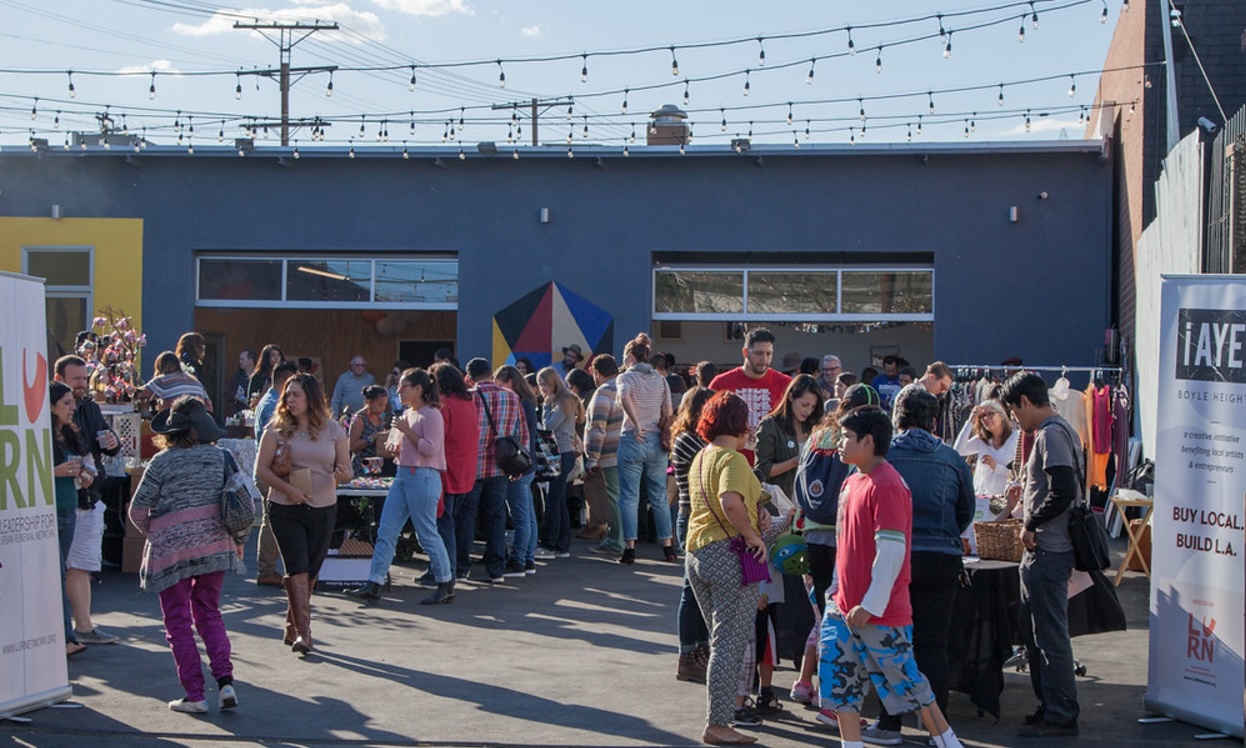
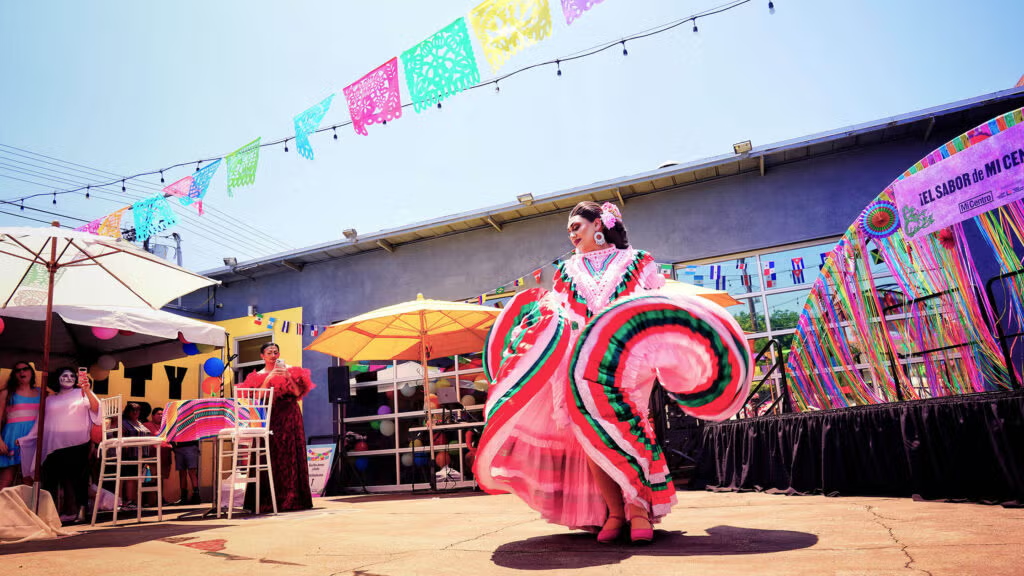
The first project is one that’s really special to us, called Mi Centro. It is a collaboration between LEA, the Latino Equality Alliance, and the Los Angeles LGBT Center. The Center operates a community center called Mi Centro in my building at Clarence and Sixth Street, in Boyle Heights. and it is a place for queer youth, primarily, to come and benefit from social services, from mental health support, from resources, and it’s become this beautiful haven of belonging and community in Boyle Heights.
We’re really proud of it. Through the work that I did in partnership with Genesis LA (A Community Development Financial Institution, or CDFI) we acquired this industrial building. We converted it into co-working spaces and offices, and there are multiple nonprofits that are operating there, and it’s become a great resource. There’s a food pantry, a resource center, and a whole multitude of weekend activities and community activations. And what’s been really special about that is that although it’s centered around support for LGBT folks, it is such a place of opportunity for many other residents in Boyle Heights.
There have been immigration clinics there, and the way that we designed the space was that it be both public and private, meaning public as a resource for community, no matter what time of day, weekends as well, but also a place – called City Labs Boyle Heights – where organizations can continue to do their work. So it has private offices as well, and it’s been really fantastic.
FA
And this was an initiative of yours wearing which one of your hats? As property owner and developer?
AF
Yes, but also as CEO of Somos Group. That’s my unique hybrid; I straddle multiple hats and disciplines.
FA
What date did it open?
AF
It opened the same year that I had my son. So, 2014, and that is a moment where this became a hub for the community in ways that we had not imagined, and it was because my vision was to create a community-centered approach to co-working spaces.
At the time there was a big push for WeWork and other co-working spaces. It was a trend, and what I realized is that many organizations in Boyle Heights were getting priced out of their office spaces in Boyle Heights because of the increase in rent. I remember visiting one of those organizations that was working on neighborhood stabilization work, and the irony is that they were getting displaced themselves from a commercial corridor in Boyle Heights. So it occurred to me that there was a great need to create below-market office space that was available to nonprofits. So we partnered with Genesis LA, and it’s turned out to be this great resource for the neighborhood.
FA
You’ve got an ambitious plan for Boyle Heights. Tell us about it.
AF
I would start by saying that I love Boyle Heights. Boyle Heights is my community. The Fraijo family roots in Boyle Heights go back almost 100 years, and it’s where I went to elementary school, middle school, and high school. I went to Roosevelt High School, and it is part of who I am. As a lawyer working in development, I have always centered my work around my lived experience, understanding that there is real impact to the decisions that happen in City Hall around land use policies.
Certainly, Boyle Heights has been bearing the brunt of many of those policies, including disproportionate burdens around environmental justice, the infrastructure that circles Boyle Heights, and there are many others.
But I also believe that there is ample opportunity as a stakeholder in Boyle Heights to invest in innovation around land use. I’ve taken all of the things that I’ve learned as a land use attorney and a development professional and put those into practice at a scale and with a set of values that I think are responsible to the community.
The idea that there can be development by folks from Boyle Heights for folks from Boyle Heights is something that I’m really passionate about, and so the thing that we are really exploring has been how to build housing that is responsible and at-scale in the neighborhood of Boyle Heights. Secondly, how do you create non-residential amenities like the one I mentioned (City Labs Boyle Heights) that incubates entrepreneurs and small businesses, and supports the nonprofits that are providing the essential services to our community as well.
Yet another passion project I have, Frances, is to bring a Chicano Art Museum to Boyle Heights, and I’m hoping that I get to build that sometime soon.
FA
You mentioned the “scale” of your project in Boyle Heights. Tell me about that, and about the architect Tatiana Bilbao’s involvement.
AF
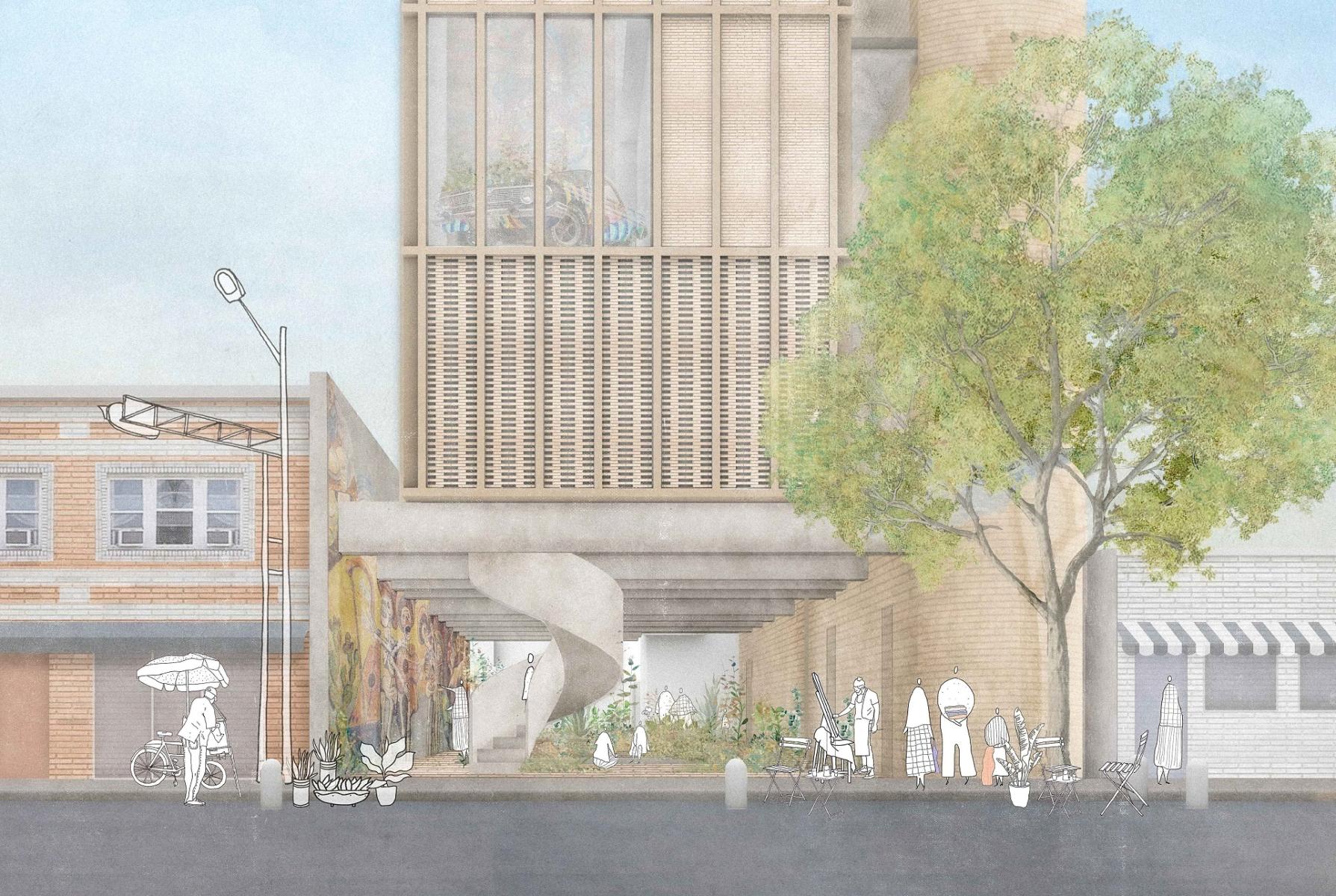
Absolutely. So my relationship with Tatiana Bilbao Estudio has been expanding and expansive for a number of years. Our relationship started with our fundamental belief that housing is a human right, and that the way we design and build housing must respond to the needs of the community. In Boyle Heights, the conversation about housing, I would say, is multifaceted. It’s not just about creating residential amenities. It’s about building housing without displacement. It’s about building housing with other types of uses that build resiliency in the neighborhoods. And so what I’ve done, in partnership with Tatiana, has been to begin the exploration of this development through research and community engagement.
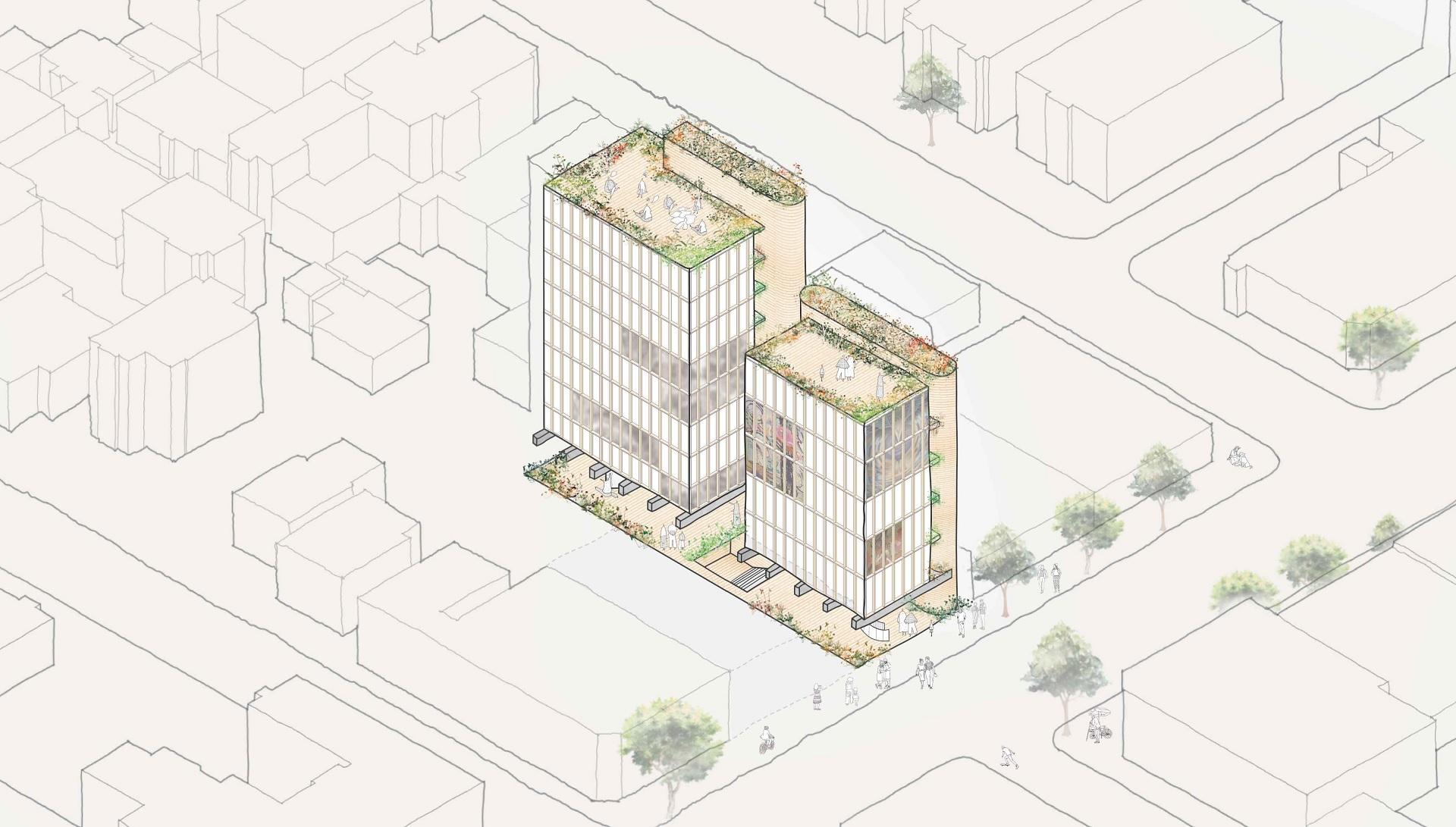
We’ve taken some of the sites that I own in Boyle Heights, including two properties that are along the First Street commercial corridor, and imagined a set of conditions that govern our development.
The first is the notion that we don’t want to displace any residents or businesses that are currently there. That’s number one. That may include preservation even when preservation is not required. It may require designing a building that overlaps with existing structures.
The second piece is that we build with a mindset around scale, and for us that means that we’re not going to maximize density based on all the incentives that are typical of development agenda., Rather, we’re going to look at the existing baseline of buildings that exist. We’re going to look at shade and shadow conditions. We’re going to look at the commercial corridor height datums that exist and respond to those.
The third piece is that we are building housing that can be flexible, meaning that we’re going to have spaces that are going to be semi-private and semi-public. We’re going to have spaces that are primarily for refuge, that are private and specific to a tenant, and we’re going to have other spaces that are oriented towards the public, that could be occupied by businesses or nonprofits for community activation, where a building is both porous and flexible, and can evolve over time.
And the final thing I would mention is that as a lawyer, I’m also exploring a concept of a forever tenancy. Growing up in Boyle Heights, my family was vulnerable to displacement, vulnerable to landlords that were not ethical. When people ask me where in Boyle Heights I grew up, I always answer that it was where there was cheap rent, where it was affordable. So I lived all over the place in Boyle Heights because we were always vulnerable to increases in rent or landlords that were not keeping up with improvements and repairs to buildings. So I want to envision a relationship with the tenant where we commit to each other that they get to live in my building as long as they want.
FA
That’s interesting. So would this be a form of rent control, but coming from within the private sector, as in you? Do you attach some sort of covenant to people’s rental agreement?
AF
Sure, the covenant is between me as the property owner and the tenant, because the reality is, if you build market-rate development that’s not rent-restricted by law, you get to operate it in the free market, and it’s not subject to the rent stabilization ordinance.
I’m going to volunteer my property into an agreement with the tenant that says you get to live here so long as you meet certain expectations in my rental agreement, and I promise you that I will not increase the rent beyond a certain percentage. That, so long as you agree to maintain the building based on the lease agreement, I agree to keep you there, even if you increase the number of people that live there, even if you transition the unit to your children after you retire.
So we eliminate the uncertainty around tenancy for the tenant. For me, there is a business model that honors the relationship between the landlord and the tenant in ways that we don’t currently see in the marketplace. So long as I can pay my mortgage and I can have a reasonable return on the investment of my property, I would like to have that stabilized unit for the benefit of the tenant.
FA
It sounds fantastic, but it means that one landlord, one developer with a good heart is doing the right thing, but 99 are not. Their rents are going up as much as the market can bear. So, would you, in an ideal universe, want there to be rent stabilization imposed by law, so that all property owners were subject to it with new buildings? Or would you prefer that a property owner was able to make this personal choice to enter into a kind of covenant with the renter?
AF
I would say that first of all, my philosophy always starts with one person. It starts with one business making the right choices and really exploring the opportunity for mutuality between your tenant and the landlord. So that’s Number One. Number Two is, my primary profession is as a land use attorney. Through Somos Group, the work I’m doing as property owner, investor, and developer is about piloting innovative ideas in how to sustain a business and still be responsible to the community you serve.
FA
So have you put this into practice yet, or are you still waiting to build the buildings? And if so, how many sites do you have, and what is their status?
AF
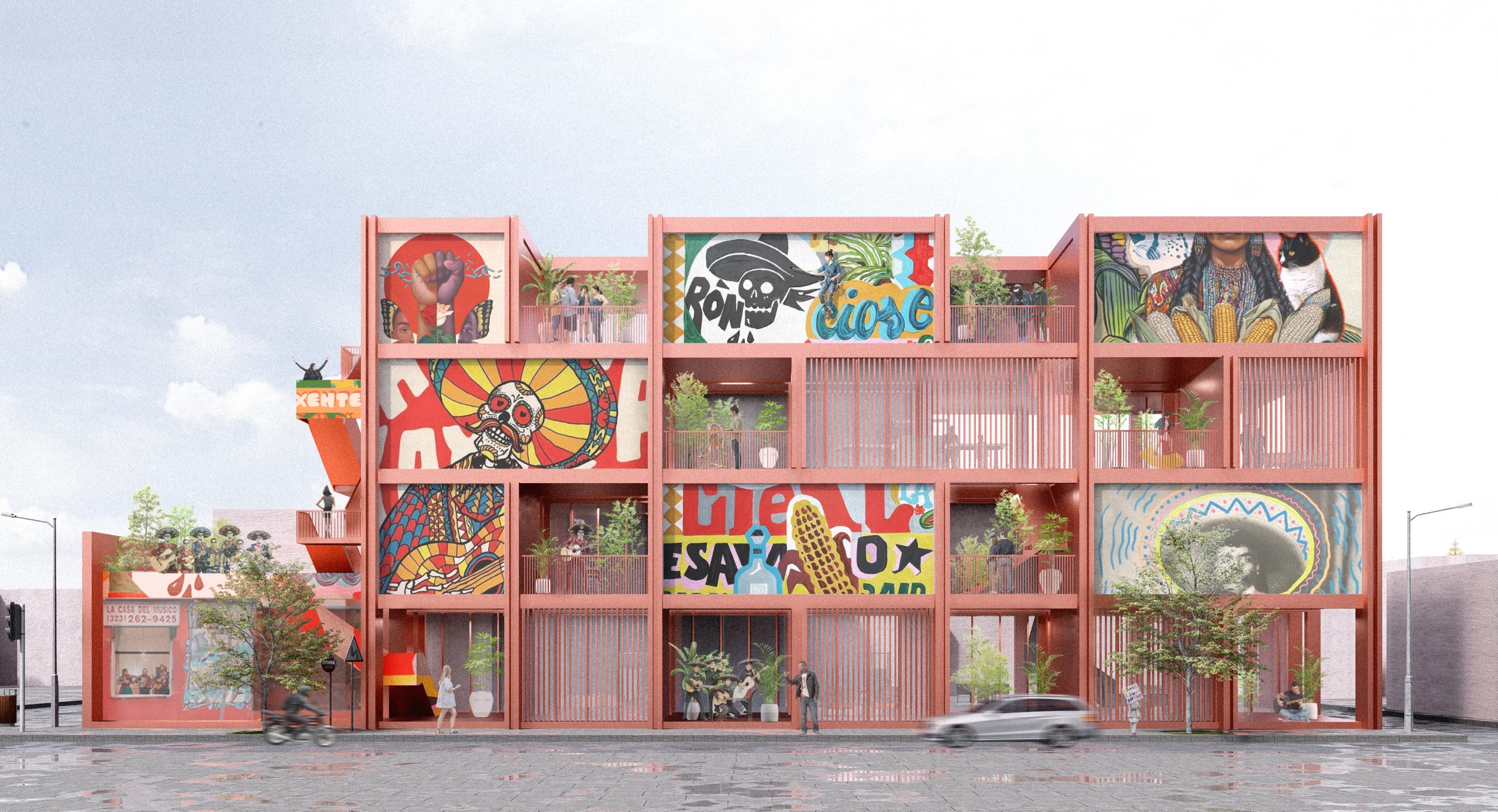
We have multiple sites, both that we own and others that we’ve identified as opportunity sites. We have one completed project, Canela Apartment Homes (314 N Chicago St, at Chicago and Cesar Chavez, close to Mariachi Plaza) where we’ve integrated some of these principles around tenancies, and we’re really excited about that. It’s a two story structure facing Chicago and Cesar Chavez, has seven units, and they’ve been designed in ways again that don’t maximize density.
We’ve developed a set of principles and we are now very concretely evaluating two sites around Los Angeles. The exciting thing currently is that we’ve partnered with the School of Architecture at UCLA, and Tatiana Bilbao and Monica Lamela. They have launched a studio to study the density and yield for the projects that we’re hopefully going to build in the future. They’ve recruited students that are interested in these types of development models, and they’re pursuing schematic design. The hope is that these students and Tatiana and Monica can stay engaged through the building permit process for these two particular projects.
FA
My sense is that design matters to you and your husband. Is that why you chose talented architects like Tatiana and Monica?
AF
I’m passionate about good design. I’m passionate about the idea that communities of color, underserved communities, deserve the best in class in architecture and design. I am concerned that many times in affordable housing projects – projects that are intended to be below market – the first thing to be cost-engineered out is good design, and I’m very, very committed to ensuring that our community gets the best architects, the best designers, and the best projects.
For instance, the project that I mentioned at at Chicago and Cesar Chavez, there’s a mural by a local architect that is facing the the sidewalk. The building itself is designed to be open. There are no fences surrounding the property. We believe that it should be porous and accessible to even the pedestrians that walk past our buildings, and we hope that the mural itself conveys a sense of values to the neighborhood, and so that’s really an important part of what we’re doing at every every element of how we partner with the architect.
That building was designed by a Jewish architect, Jerry Sherman, that has roots in the Boyle Heights community, and as you know, Boyle Heights was a place of refuge and opportunity for Jewish Americans as well. We partnered with a contractor that grew up in the community. So I believe in approaching these projects holistically, and that every component of it should be centered around the values that you have as a business.
FA
That brings up an interesting question because I’ve found some developers of color are cautious about publicity as they work in a community that has seen too much bad development. They don’t want to be seen as the so-called “greedy” developer. So how do you navigate that issue?
AF
It’s a very important issue. There is a lot of concern in communities like Boyle Heights that have been historically left out of the conversation around land use policies. These communities have taken on a disproportionate burden around environmental impacts.
As a result, Boyle Heights is a community that has undergone a lot of change. In fact, change has been an important vehicle for transformation in the community. It is what enabled Mexican American families to move to Boyle Heights. Change has been about immigrants from other parts of the country coming to Boyle Heights and finding a place of refuge and moving out through other parts of the city. I think it’s in our DNA. And so, for me, it’s a matter of acknowledging that our history has been about change and transformation and embracing it as a tool for improving our neighborhoods, and that’s really how I approach it.
That being said, we need to do it in ways that respond to that historic legacy. I acknowledge the fact that there’s a lot of distrust of outsiders coming in and investing, and there’s many examples of how that’s done in ways that impact community and result in displacement, but I want to show a different way,.
I think that it’s incumbent on us that if we’re saying we need more responsible development, that we do it ourselves. I’m engaged in conversations about gentrification, about responsible development, and I also want to demonstrate best practices in that space, and so that’s what I’m doing.
FA
Can you tell us about that side of your work where you have served as lawyer rather than developer? Tell us what a land use lawyer does, and how it has impacted your path as a developer.
AF
That’s really at the heart of my passion for city development and city building. I like to say that my work is at the intersection of city building and social justice, in the sense that I approach my practice as a land use attorney with a set of values for respect for community resilience and community activation.
Really, what a land use attorney does is help real estate owners and investors realize the highest and best value of the land that they own, and that could be through redevelopment. It could be through preservation. It could be through partnerships with local government and partnerships with community. And the pillars of my work are really centered around land transactions.
So the standard, what we refer to as “dirt lawyering,” is to help clients obtain permits for development, and we help them from acquisition all the way through completion of their projects. And then the last piece, which is central to my work at Somos Group as a land use attorney, is centering our work and development around community benefit.
So I help my clients obtain community support, negotiate community benefit agreements that are expansive and innovative, and also to partner through the development process with labor. Partnership with organized labor, is really important to our work, and I developed this practice that operates at this intersection, because I believe passionately about finding creative ways to improve our communities, and I believe strongly that those improvements are going to come with additional investment by developers and organizations that are owning and stewarding land.
Also, every piece of my practice is really centered around my lived experience growing up in LA, growing up resource-constrained, housing insecure.Those pieces really inform the work that I do with my clients. It informs how I select my clients. It informs how I guide them through the development process and how we partner with government.
FA
You have a beautifully conceptualized ecosystem of how all the pieces come together. One of your current projects as a land use lawyer is the huge, Art Deco, former County hospital (built in 1934) which is to be converted through adaptive reuse into housing and retail and other resources by development team Centennial Partners.
AF
Yes! General Hospital is a good example of how those pieces come together. The historic Art Deco building is the centerpiece, but the County’s plan looks at the whole campus. It calls for preserving and reusing the former hospital while bringing affordable and workforce housing, health and wellness services, neighborhood shops, and public plazas together in a place that’s easier to reach on foot or by transit. The County calls it a ‘Healthy Village.’ To me, it’s about taking a place where generations of Angelenos came for care and asking what else it can do for the people who live nearby.
At Somos, we helped advance the land use approvals and shape the environmental review strategy. Now that the Board of Supervisors has adopted the Master Plan and certified the environmental impact report, the County and Centennial Partners can focus on how to put the plan into practice.
FA
Last question, we have a new mayor. What would you want leadership to do to ease the path for good development?
AF
I would love to take the work that we have done with the current administration in City Hall in Los Angeles around the executive directives, ED1 in particular, and I would love to expand that to include workforce development, workforce housing. Currently, the executive directives have been focused on affordable housing – 80% AMI targets or lower. I believe strongly that we need to expand that opportunity for developing housing for young professionals and other workers. So, increasing the affordability targets to allow professionals and essential workers to live near the places of employment is critical, Frances. That would be my primary focus – to encourage our leaders to really expand the incentives to include workforce housing.
FA
Couldn’t agree more. Thank you, Alfred.
AF
Thank you.
Read about our other Good Developers, and the Introduction to the year-long series.